

Portable power stations have become essential for camping trips, home emergencies, and even daily power needs. However, improper use can lead to reduced efficiency, safety hazards, or even permanent damage. Understanding how to operate and maintain your power station ensures it remains reliable when you need it most. In this article, we’ll explore key safety precautions, best practices, and troubleshooting tips to help you get the most out of your device.
1. Understanding Your Power Station’s Limits
Every power station has specific capacity and output limits that determine how much power it can store and deliver. Exceeding these limits can strain the battery, reduce lifespan, or even cause overheating. Before using your power station, check its watt-hour (Wh) rating and maximum output wattage to ensure it can handle your devices. For example, running high-wattage appliances like microwaves or space heaters may drain the battery rapidly or trigger an automatic shutdown. Smaller electronics, such as phones and laptops, are much safer choices. Always calculate the total power consumption of connected devices before turning them on.
2. Proper Charging Practices
Charging your power station correctly is crucial for maintaining battery health. Avoid leaving it plugged in for extended periods after reaching full charge, as overcharging can degrade lithium-ion batteries over time. Most modern power stations have built-in protection against overcharging, but it’s still good practice to unplug once charging is complete. Additionally, using the manufacturer-provided charger ensures compatibility and prevents voltage irregularities. Charging in extreme temperatures—either too hot or too cold—can also harm the battery. Ideally, charge your power station in a cool, dry place to maximize efficiency. Following these simple steps will help maintain optimal performance for years.
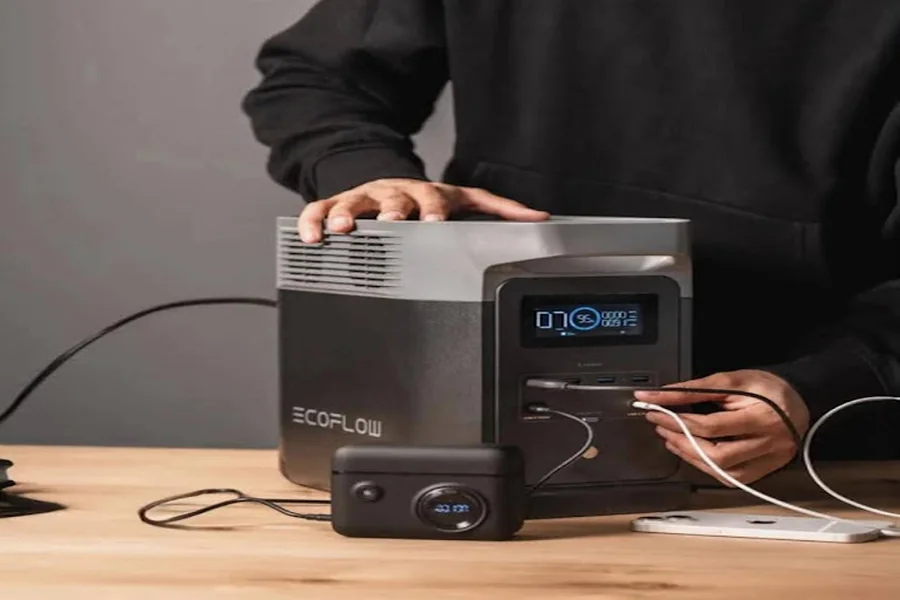
3. Environmental Considerations
Power stations are designed for versatility, but environmental conditions play a significant role in their performance. Extreme heat can cause overheating, while freezing temperatures may reduce battery efficiency temporarily. Always store and use your power station in moderate climates when possible. Humidity and water exposure are other critical factors. Even if a power station is labeled as water-resistant, it’s best to keep it dry to avoid internal damage. If you’re using it outdoors, place it under a shaded, covered area to protect it from rain and direct sunlight. By paying attention to these environmental factors, you can prevent unnecessary wear and tear.
4. Connection and Usage Safety
Proper Cable Management
Using damaged or low-quality cables can lead to power loss, overheating, or even electrical fires. Always inspect cables for frays or exposed wires before connecting devices. Ensure that the cables you use are rated for the power station’s output to avoid overloading. Organizing cables neatly also prevents tripping hazards and accidental disconnections. If multiple devices are connected, avoid tangling wires, as this can cause excessive heat buildup. A well-managed setup not only improves safety but also ensures efficient power distribution.
Sequential Device Connection
Plugging in multiple high-wattage devices simultaneously can overload the power station. Instead, connect devices one by one, starting with the most power-hungry appliance. This prevents sudden power surges and allows the power station to distribute energy more effectively. If the power station shuts down unexpectedly, it may be due to overload. Disconnect all devices, wait a few minutes, and then reconnect them in a controlled manner. Following this method reduces strain on the battery and minimizes the risk of damage.
5. Regular Maintenance for Longevity
Like any electronic device, power stations require periodic maintenance to function optimally. Dust and debris can accumulate in vents, leading to overheating. Use a soft brush or compressed air to clean the exterior and cooling fans regularly. Checking battery health every few months is also beneficial. If you notice a significant drop in capacity, it may be time to recalibrate the battery by fully discharging and recharging it. Storing the power station at around 50% charge when not in use for long periods helps preserve battery life. Simple maintenance habits can significantly extend its usability.
6. Safety Features to Verify
Modern power stations come with built-in safety mechanisms such as surge protection, temperature control, and short-circuit prevention. Before purchasing or using one, verify that it has these essential features. Overload protection, for instance, automatically shuts off power if the demand exceeds safe limits. Another critical feature is a battery management system (BMS), which monitors voltage and temperature to prevent overcharging or overheating. Knowing these safety functions exist can give you peace of mind, but it’s still important to follow proper usage guidelines to avoid unnecessary risks.
7. Emergency Situations and Troubleshooting
What to Do When Overheating Occurs
If your power station feels excessively hot, immediately disconnect all devices and turn it off. Move it to a cooler area and allow it to rest before using it again. Overheating is often caused by high ambient temperatures or prolonged high-power usage. Preventive measures include avoiding direct sunlight and ensuring proper ventilation around the unit. If overheating persists, consult the manufacturer’s guidelines or seek professional assistance. Ignoring this issue can lead to permanent battery damage or safety hazards.
Handling Unexpected Shutdowns
Sudden shutdowns can occur due to overload, low battery, or internal faults. First, check if the battery is depleted—if so, recharge it before further use. If the shutdown happens despite sufficient charge, disconnect all devices and restart the unit. If the problem continues, inspect for firmware updates or reset the power station as per the user manual. Persistent issues may indicate a deeper problem requiring technical support. Staying calm and methodically troubleshooting helps resolve most common shutdown scenarios.
Conclusion
A portable power station is a valuable tool for both everyday use and emergencies, but proper handling ensures safety and longevity. By understanding its limits, charging correctly, and maintaining it well, you can avoid common pitfalls. Always prioritize safety features and follow best practices for cable management and device connection. And for those seeking a reliable option, the EcoFlow power station is a great choice, known for its durability and advanced safety features. By applying these guidelines, you can enjoy uninterrupted power whenever you need it, with confidence in both performance and safety.
Table of Contents