
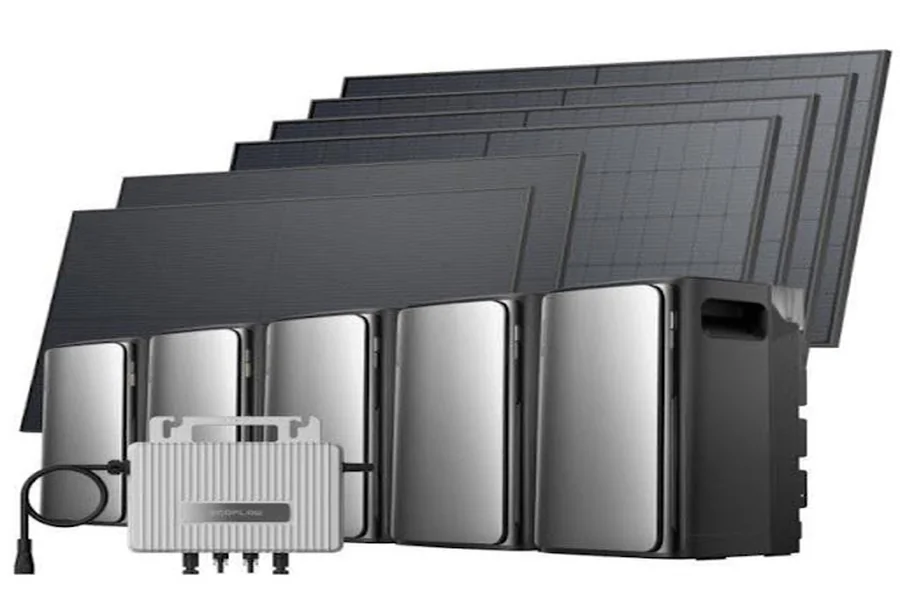
Solar batteries represent a significant investment in your renewable energy system, often costing as much as the solar panels themselves. Unlike conventional batteries that you replace every few years, a well-maintained solar battery should last through thousands of charge cycles while retaining most of its capacity. The difference between proper care and neglect can mean 5 years versus 15 years of reliable service – essentially getting three times the value from the same equipment. In this article, we’ll explore some scientifically-proven methods to maximize your solar battery’s lifespan while maintaining optimal performance throughout its service life.
1. Master the Charging Sweet Spot
Just as overeating or starving harms your health, batteries suffer from both overcharging and undercharging. Lithium batteries thrive when kept between 20-80% charge for daily use, while lead-acid types prefer 50-85%. Charging to 100% occasionally is fine (especially before expected heavy use), but keeping batteries at peak voltage accelerates chemical degradation. Modern systems with battery management software often let you set custom charge limits – configuring these properly can double your battery’s cycle life. Think of it like avoiding extreme sports to protect your joints – moderate, consistent use preserves the system’s integrity far longer than pushing to its limits daily.
2. Optimize Depth of Discharge (DoD)
Depth of discharge (how much capacity you use between charges) dramatically affects longevity. A lithium battery cycled at 30% DoD might last 10,000 cycles, while the same battery at 80% DoD may only reach 3,000 cycles. This isn’t linear – discharging from 100% to 20% causes more wear than two cycles from 80% to 30% using the same total energy. For lead-acid batteries, staying above 50% charge is crucial. The practical solution? Size your battery bank so typical daily use only consumes 30-50% of its capacity, leaving room for occasional deeper discharges during emergencies or cloudy periods.
3. Temperature Management Essentials
Batteries age fastest when hot – every 15°F (8°C) above 77°F (25°C) can halve lead-acid battery life. Lithium batteries tolerate heat better but still degrade faster at elevated temperatures. Simple solutions include installing batteries in shaded, ventilated areas or adding small fans for air circulation. In cold climates, insulation helps maintain optimal operating temperatures – just ensure proper ventilation to prevent hydrogen buildup (for lead-acid). Some premium lithium batteries include self-heating functions for winter operation. Remember: your battery’s location affects its lifespan as much as your charging habits do.

4. Proper System Configuration
Right-Sizing Your Solar Array
An undersized solar array chronically undercharges batteries, causing sulfation in lead-acid types or cell imbalance in lithium. Oversized arrays may force rapid charging that generates excessive heat. The ideal solar panel wattage should fully recharge your battery from 50% to 85% in about 4-5 peak sun hours. For a 5kWh battery bank, this typically means 1,500-2,000W of solar panels. This balance ensures gentle, complete charging without wasting panel capacity or leaving batteries perpetually undercharged.
Importance of Quality Charge Controllers
The charge controller acts as your battery’s nutritionist – managing how energy gets delivered. Modern MPPT controllers not only harvest 20-30% more energy than older PWM types but also implement sophisticated charging algorithms that extend battery life. Features like temperature compensation (adjusting charge voltage based on battery temperature) and adaptive absorption charging (varying the time spent at peak voltage) can add years to your battery’s lifespan. Never skimp on this component – a quality charge controller pays for itself through both improved performance and extended battery life.
Maximizing the utility of a modern energy storage system involves a combination of smart habits and technical oversight to ensure long-term reliability. While many residents handle the basics of temperature control independently, the specialized diagnostic services provided by solar companies offer a more profound understanding of how complex electrical loads affect internal cell health. These experts can identify subtle signs of wear that standard monitoring software might overlook, allowing for proactive adjustments to the charging infrastructure. Incorporating this professional perspective into a standard maintenance routine ensures the equipment remains efficient even as it ages. Such a comprehensive strategy safeguards the initial investment while providing a consistent and clean power supply that meets the evolving energy needs of a sustainable household.
5. Regular Maintenance Routine
Monthly maintenance takes just 15 minutes but prevents costly issues. For flooded lead-acid batteries: check electrolyte levels (top up with distilled water if needed), clean terminals with baking soda solution, and ensure vent caps are secure. Sealed batteries (AGM, gel, lithium) need visual inspections for swelling or leaks, terminal tightness checks, and state-of-charge verification. All systems benefit from recording voltage and capacity measurements over time – this data reveals degradation patterns before they become critical. Think of this routine like brushing your teeth – small consistent care prevents major problems.
6. Balanced Energy Usage Strategies
High-power devices like air conditioners or water pumps strain batteries when they cycle on/off frequently. Spreading out energy-intensive tasks (like running laundry during sunny afternoons) reduces deep discharges. Using energy-efficient appliances (LED lights, DC refrigerators) significantly reduces battery stress. Some advanced systems allow programming different discharge limits for weekdays versus weekends – preserving more capacity when you’re likely to be home. This approach mirrors smart financial budgeting – balancing occasional splurges with daily conservation makes resources last longer.
7. Long-Term Storage Protocols
If storing your system for months (like seasonal cabins), prepare batteries properly: charge lithium to 50-60%, lead-acid to 100% then disconnect all loads. Clean terminals and apply anti-corrosion gel. Store in a cool (but not freezing), dry place with moderate ventilation. Every 3-6 months, check voltage and recharge if below storage thresholds. For lithium batteries, a complete discharge/recharge cycle before returning to service helps recalibrate capacity readings. These steps are like putting a car in proper storage – done right, everything works perfectly when you need it again.
Conclusion
Extending your solar battery’s lifespan combines science with common sense – avoiding extremes, maintaining ideal conditions, and using smart system design. Each practice contributes incrementally, but together they can triple your battery’s useful life. For those investing in new systems, the EcoFlow Power series offers advanced lithium batteries with built-in protection systems that automate many of these best practices. Remember: your solar battery isn’t just storing energy – it’s storing value. Proper care ensures you extract every bit of that value over many years of reliable service.
Table of Contents