
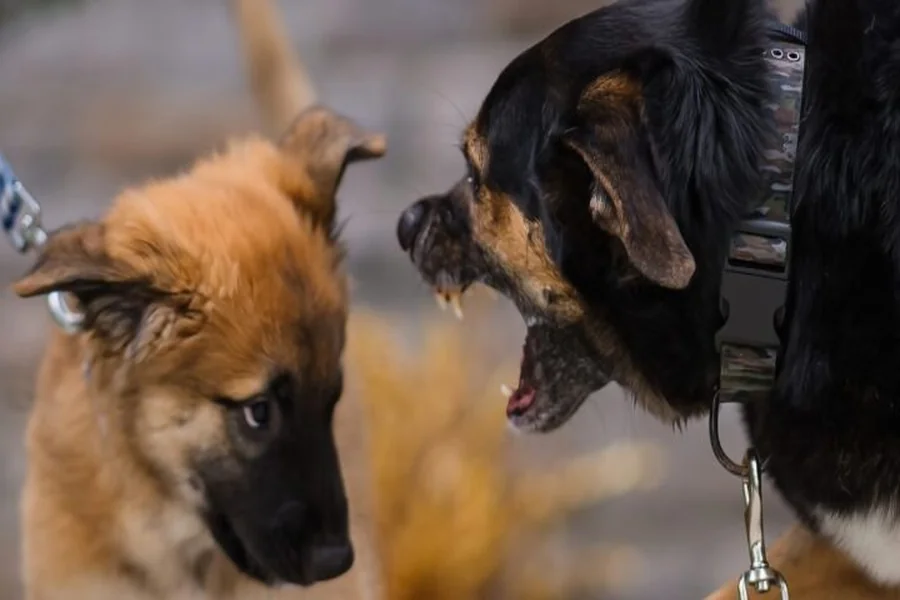
Dog reactivity is a common issue faced by many pet parents, but with the right approach, it can be managed and even corrected. Whether you have a dog that reacts aggressively towards other animals or people, or one that becomes overly excited and vocal, it’s essential to address the root causes of their behavior. Aggressive dog training focuses on teaching your dog how to respond to triggers in a calm and controlled manner, using positive reinforcement techniques.
In this expert article, we’ll explore proven methods for calming dog reactivity and provide step-by-step guidance for addressing this behavioral issue. Understanding reactivity and aggression in dogs is crucial for successful training, as these terms are often used interchangeably but refer to different behavioral patterns.
Reactivity vs. Aggression — What’s the Difference?
It’s essential to differentiate between reactivity and aggression in dogs to avoid confusion and apply the correct training strategies. Reactivity occurs when a dog overreacts to a stimulus, such as barking, growling, or lunging. This behavior is often driven by fear, frustration, or excitement. While reactivity can be intimidating, it doesn’t always involve an intent to harm.
Aggression, on the other hand, is a more serious behavior that often involves a dog trying to dominate or defend itself. Signs of aggression include biting, snarling, and posturing. Understanding these differences helps pet parents target their training efforts effectively, and it’s critical to approach reactivity with patience and consistency.
Why Dogs React: Fear, Frustration, Pain, and Trigger Stacking
There are several reasons why a dog may become reactive. The most common triggers include fear, frustration, and pain. A dog may react aggressively if it feels threatened by a situation or another dog. Additionally, some dogs become frustrated when they are unable to reach something they want, such as a toy or a treat.
Trigger stacking is another factor that contributes to reactivity. This occurs when a dog experiences multiple stressors in a short period, causing it to become overstimulated and react more intensely. For example, if a dog is already anxious and then encounters a stressful situation, its reactivity may escalate quickly.
Safety First: Management Tools That Prevent Blow-Ups
When working with a reactive dog, it’s important to prioritize safety for both your dog and others around you. There are several management tools that can help prevent aggressive outbursts during training or daily walks. These tools can create a safe space for your dog while you work on reactivity issues.
Some of the most effective management tools include:
- Muzzle training: A basket muzzle can prevent a dog from biting during a reactivity episode while still allowing them to breathe, drink, and pant.
- Front clip harness: A front clip harness can reduce pulling and help you maintain better control over your dog’s movements during walks.
- Leash reactivity management: Keeping a safe distance from triggers and managing your dog’s leash can help prevent unwanted reactions.
Step-by-Step Plan to Calm Reactivity Without Punishment
Training a reactive dog requires patience, consistency, and positive reinforcement. Punishment-based training methods, such as scolding or using choke chains, often make reactivity worse and can damage the bond between you and your dog. Instead, focus on positive reinforcement to reward good behavior.
One effective approach is desensitization and counterconditioning. This method involves gradually exposing your dog to the trigger at a level that doesn’t cause a strong reaction, and rewarding them for staying calm. Over time, the dog will learn that the trigger is not something to fear.
Additionally, engage-disengage games are a fun way to help your dog focus on you instead of their triggers. By engaging your dog with a toy or treat, and then allowing them to disengage and focus elsewhere, you can teach them to redirect their attention in a positive way.
Marker training is another powerful technique to use. By marking desirable behaviors with a clicker or a verbal cue, you can reinforce calm behavior and encourage your dog to repeat it in the future.
As the PawChamp app explains dog aggression, consistent training and understanding the underlying causes of your dog’s behavior are key to success. The app provides additional resources and personalized training plans for dogs with reactivity issues.
Common Mistakes That Make Reactivity Worse
It’s easy to make mistakes when training a reactive dog, especially if you’re not seeing immediate results. However, some common mistakes can actually make reactivity worse:
- Punishing growling: Growling is a form of communication, and punishing it can escalate fear and aggression. Instead, focus on redirecting your dog’s energy to positive behaviors.
- Dominance theory training: The outdated theory that dogs need to be “dominated” can harm your relationship with your dog and worsen reactivity. Use positive reinforcement instead.
- Leash corrections: Using harsh leash corrections can lead to anxiety and increased reactivity in dogs. A calm, consistent approach is more effective.
When to Get Professional Help (and What to Ask)
If your dog’s reactivity continues to worsen despite your best efforts, it may be time to consult a professional dog behaviorist or trainer. A certified trainer with experience in reactivity can assess your dog’s behavior and help you create a tailored training plan.
When looking for professional help, consider the following:
- Experience with aggressive dogs: Ensure the trainer has worked with reactive or aggressive dogs.
- Training methods: Ask if they use positive reinforcement techniques and avoid punishment-based methods.
- Behavior assessment: A good trainer will conduct a thorough assessment of your dog’s behavior before recommending a plan.
Next Steps and Helpful Resources
If you’re struggling with a reactive dog, remember that progress takes time. Stay consistent with training, and always prioritize your dog’s safety and well-being. Alongside professional help, tools like the PawChamp app can provide ongoing support and guidance throughout your training journey.
By addressing the root causes of your dog’s reactivity, using positive reinforcement, and staying patient, you can help your dog become calmer and more confident. With time and dedication, your dog can learn to respond to triggers with less stress and anxiety, creating a stronger bond between you and your furry companion.
Table of Contents