
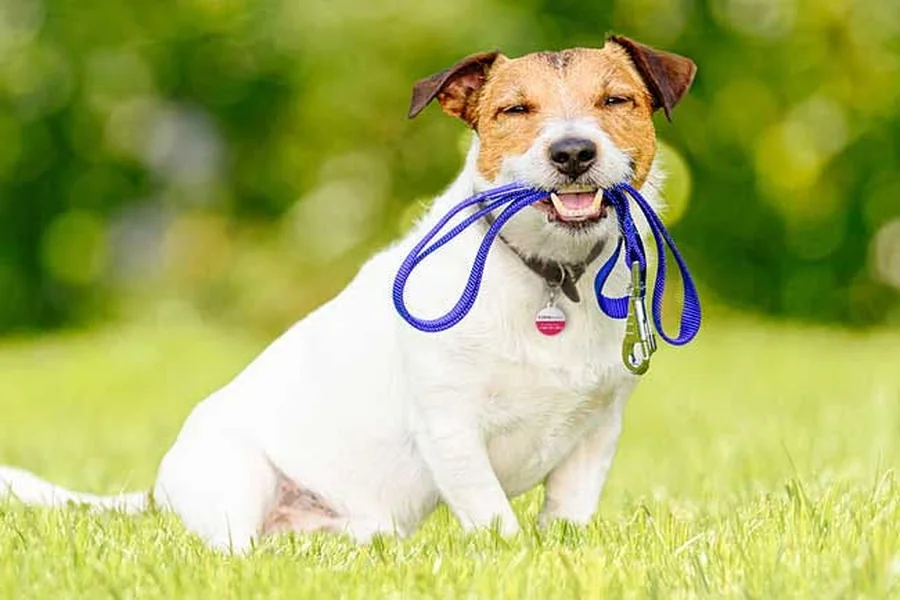
Walking your dog should be one of the best parts of their day, but little issues can sometimes make it less fun than it should be. Whether it’s a leash that tugs too much, a collar that feels uncomfortable, or a route that’s too hot for their paws, there are plenty of small tweaks you can make to improve every outing. A few adjustments can turn an ordinary walk into the highlight of your dog’s day.
Choose the Right Collar for Comfort
The collar your dog wears makes a big difference in how they feel during a walk. Something too tight can cause chafing, while something too loose can slip off and lead to safety risks. Look for comfortable dog collar options that are designed with soft, breathable materials. Collars with adjustable straps are great because you can tweak the fit as your dog grows or changes weight.
Also, think about your dog’s specific needs. If they pull a lot, a harness might work better than a collar. But for casual walks around the neighborhood, a well-fitted collar is often the simplest and safest choice.
Pick the Best Time of Day
Would you want to walk across hot pavement barefoot? Neither does your dog. Early mornings and later evenings are usually the best times to walk, especially in warmer seasons. The cooler air is more comfortable, and the sidewalks won’t be scorching. Besides, the streets are often quieter, which can be less overwhelming for dogs that are easily spooked by busy traffic.
Keep Water Handy
Even if you’re only planning a short stroll, it’s smart to bring some water for your dog. Small collapsible bowls are perfect for this. Dogs can get dehydrated faster than humans, especially when they’re excited and on the move. If your dog starts panting heavily, it’s a good idea to stop for a water break.
Let Them Sniff and Explore
Walks aren’t just for exercise — they’re also a major source of mental stimulation. Dogs experience the world mostly through their nose, so letting them stop and sniff around is an important part of the outing. Try practicing “sniff breaks” by allowing your dog to explore interesting smells now and then. It’s not only good for their mind but also makes the walk more rewarding for them.
Watch for Signs of Discomfort
Always keep an eye on how your dog is acting during the walk. If they start limping, slowing down, excessively licking their paws, or seem unusually tired, it’s time to head home. Being able to spot when something’s off can help you avoid bigger problems later on.
Learning how to spot signs of heat exhaustion in dogs is especially helpful during the warmer months. Shorter walks or shaded routes can make a big difference on hot days.
Stick to Routes They Enjoy
If your dog seems reluctant every time you head in a certain direction, it might not just be stubbornness. Some dogs associate certain places with past scary experiences, like loud traffic, aggressive dogs, or noisy construction. It’s usually better to stick to quiet, pleasant routes that your dog is excited to follow.
Mixing things up with occasional new paths or park visits can also keep walks interesting. Just make sure new areas are safe and that your dog is ready for whatever environment you introduce.
Keep Gear in Good Shape
Frayed leashes, rusty clips, or collars with weakened stitching can quickly become dangerous. Give your dog’s gear a regular once-over to make sure everything is still sturdy and secure. Investing in good-quality gear from the start often saves trouble and potential accidents down the road.
Mind Your Pace
Not all dogs are built for brisk, power walks. Puppies, senior dogs, and small breeds often need slower, more relaxed outings. Pay attention to how your dog moves. If they’re lagging behind or tugging to slow down, that’s a sign you should ease up a bit. Walks are supposed to be fun, not a race.
Stay Positive
Last but definitely not least, keep the walk positive. Praise your dog when they walk nicely, let them enjoy a few extra sniffs, and avoid getting frustrated if they get distracted sometimes. A happy walk builds a better bond between you and your dog — and it makes them eager for the next adventure.
By focusing on your dog’s comfort and happiness, you’ll turn everyday walks into experiences that both of you can look forward to. Little changes add up to a big difference when it comes to making walks a real treat.
Table of Contents