
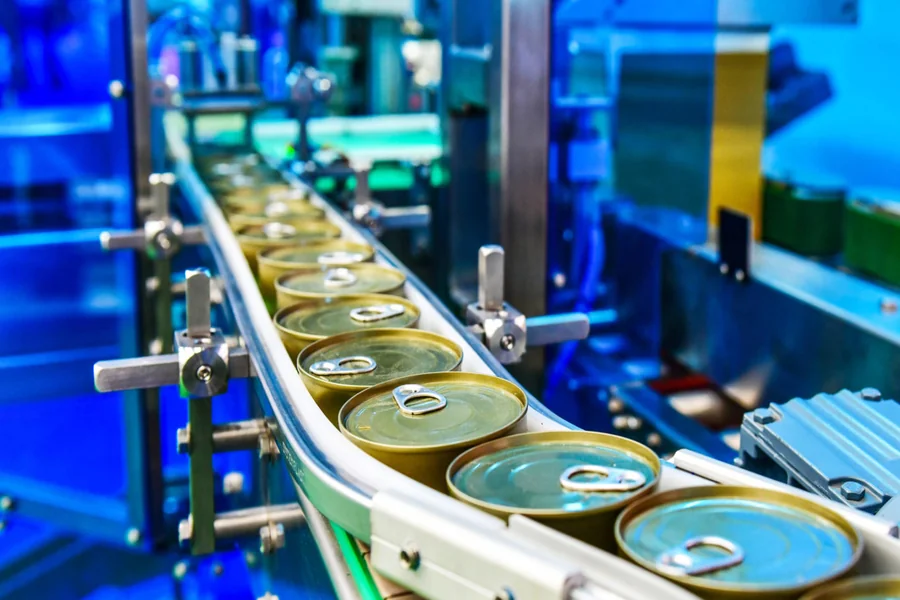
Labor costs continue to rise across nearly every industry, and manufacturers are feeling the pressure. Finding skilled workers, training them, and retaining them long-term has become increasingly difficult. In sectors like food production, consumer goods, and pharmaceuticals, where packaging plays a critical role in efficiency and compliance, the challenge is even greater. That’s where tray packaging automation is making a measurable impact.
Why Labor Costs Are a Growing Concern
Manual packaging requires significant labor, often with repetitive tasks that are prone to fatigue and error. Not only do these inefficiencies increase operational costs, but they can also create bottlenecks that slow down production. In addition, turnover in these positions is high, leading to recurring expenses in recruitment and training. With tray packaging automation, companies can reduce their reliance on manual labor while maintaining or even improving output quality.
How Tray Packaging Automation Lowers Labor Costs
1.Fewer Workers Needed Per Shift
Automated tray packaging systems can handle tasks that once required several workers. From forming trays to filling, sealing, and labeling, automation reduces the number of people needed on the line, cutting payroll expenses significantly.
2.Reduced Overtime and Shift Coverage
When companies rely heavily on manual labor, fluctuations in demand often lead to costly overtime or temporary staffing. Automated systems, however, can easily scale production without the added expense of extra labor.
3.Consistent Speed and Accuracy
Unlike human workers, machines don’t tire over time. Tray packaging automation operates at consistent speeds with precise accuracy, minimizing costly mistakes like misaligned trays, damaged products, or packaging waste.
4.Improved Worker Allocation
By automating repetitive tasks, companies can reassign their staff to more valuable roles that require problem-solving, oversight, and quality assurance, rather than tedious physical work. This not only improves efficiency but also helps with employee retention by offering more engaging responsibilities.
Long-Term Savings Beyond Payroll
The cost benefits of tray packaging automation go beyond reducing headcount. Consistency in packaging leads to fewer product returns and less wasted material. Automation also reduces the likelihood of workplace injuries that can occur in repetitive, manual tray handling — cutting down on workers’ compensation costs. Over time, these savings compound, allowing businesses to reinvest in growth and innovation.
Meeting Demand Without Labor Strain
One of the biggest advantages of tray packaging automation is the ability to keep up with market demand without scrambling to find additional workers. Seasonal spikes, sudden surges in orders, or supply chain shifts can all be managed more smoothly when automated systems are in place. This stability provides a competitive edge while controlling overhead.
Final Thoughts
For companies seeking to balance efficiency, labor challenges, and operational costs, tray packaging automation presents a practical solution. By reducing reliance on manual labor, manufacturers can cut costs while maintaining speed, quality, and safety across their packaging lines. As industries continue to face labor shortages and rising wages, automation is proving to be not just a convenience but a necessity for long-term profitability.
Table of Contents