
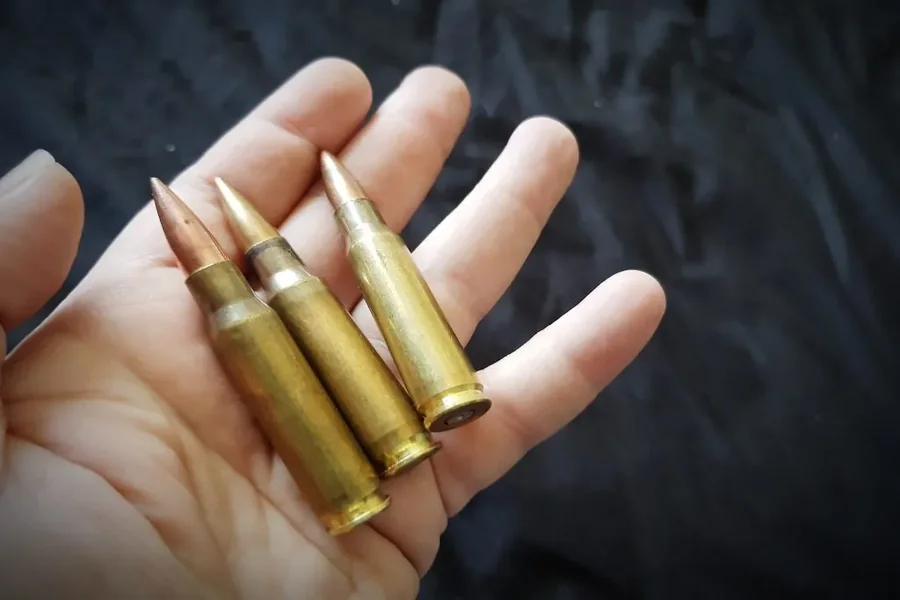
Washington, DC Gun Ammunition Buying: Rules That May Surprise New Gun Owners The District maintains severe laws on guns, ammunition, magazines and possession of them. So is it possible to buy ammo in DC? Yes but there are legal restrictions on who can purchase it and what they can own. If you travel between DC, Maryland, and Virginia these restrictions are much more important. Gun restrictions vary from location to place. What works in one place can generate problems in another. If you’re not sure about your circumstance, a DC Gun Lawyer will explain the rules and your legal choices.
Can You Buy Ammunition in Washington, DC?
DC law allows ammunition sales through licensed dealers, but those sales are regulated. A buyer generally must provide the required firearm registration certificate or qualifying proof. The dealer must also follow DC rules for recording the sale. The ammunition must match the caliber or gauge listed for the buyer’s registered firearm. That last point can be easy to miss. You can’t assume that any ammunition sold by a dealer is lawful for you to buy or possess. Your registration and the type of ammunition both matter.
What Does Firearm Registration Have to Do With Ammunition?
A lot. DC law generally permits a person to possess ammunition when that person holds a valid registration certificate for a firearm. Certain exceptions apply to people such as licensed dealers and some government personnel. This creates an important link between your firearm and your ammunition. If your firearm isn’t properly registered, ammunition possession can raise a legal issue. The same concern can arise if your registration doesn’t cover the firearm involved. Here’s the thing: having bought ammunition legally doesn’t always answer whether you may keep it legally. The place where you possess it matters, too.
What Ammunition Can You Possess?
DC law places limits on certain ammunition types. Some pistol ammunition is subject to specific restrictions. The details depend on the type and design of the ammunition. That means the simple label “pistol ammo” doesn’t tell the whole story. If you’re unsure about a certain round, don’t rely on a guess. Check the current law or speak with a DC firearm attorney. This is especially wise when you’re moving ammunition into the District from another state.
Can You Bring Ammunition Into DC From Another State?
Crossing the DC line can change the legal picture. Virginia and Maryland have their own firearm laws. DC has separate rules that may be stricter in some areas. For example, a person who legally owns ammunition in Virginia shouldn’t assume that possession will remain lawful after entering DC. The same concern applies to people traveling from Maryland. Before bringing ammunition into the District, check the rules that apply to your firearm and registration status. Transportation can raise other firearm-law questions as well. A short trip can become stressful when the rules aren’t clear.
What About Ammunition Magazines?
People often mix up ammunition with magazines. Legally, they can raise different issues. DC law restricts large-capacity ammunition feeding devices. These include certain magazines, drums, belts, and similar devices. The law generally covers devices that hold, or can readily be changed to hold, more than 10 rounds. There is a narrow exception for some tubular devices designed for 22 caliber rimfire ammunition. So, checking your ammunition isn’t enough. Check your magazines, too.
Can You Reload Ammunition at Home?
DC law also addresses people who make or reload ammunition. A person with the proper firearm registration may hand load, reload, or custom load ammunition for their own registered firearms. The rules are different when someone makes ammunition for other people. The District generally restricts the business of manufacturing ammunition without the proper license. In plain English, loading your own rounds isn’t the same as running an ammunition business from your garage. If you’re reloading for other people, get legal advice before doing so.
What Records Are Kept When Ammunition Is Sold?
DC law places record-keeping duties on licensed ammunition sellers. A dealer must follow rules for documenting ammunition sales. Buyers may need to provide identification and proof of the required firearm registration. These records can matter if police later investigate a firearm or ammunition offense. That’s one reason buyers should keep their paperwork in order. A receipt may seem like a small thing. In a legal case, small things can matter.
What If Police Find Ammunition During a Search?
Finding ammunition can lead to questions about possession and lawful ownership. Police may look at where the ammunition was found, who had access to it, and whether the person could legally possess it. The type of ammunition may matter as well. If the ammunition is found with a firearm, police may investigate both issues. A person could face more than one charge depending on the facts. If you’re questioned about ammunition, don’t try to explain complicated gun laws on the spot. You have the right to seek legal advice.
What Penalties Can Apply?
The consequences depend on the exact offense. A case may involve unlawful ammunition possession, an issue with firearm registration, or a prohibited magazine. Other charges may arise from how the firearm or ammunition was used. The facts matter. So does the specific law cited in the charging document. That’s why a person facing charges should have a lawyer review the case early.
Why Talk to a DC Gun Lawyer?
Washington, DC has a detailed gun law. A tiny fact can alter the legal analysis. The Capital Criminal & DUI Defense Group handles criminal defense cases in Washington, DC. David Benowitz is an accomplished criminal defense attorney with a history of fighting for his clients. He has an AV rating from Martindale-Hubbell and is a member of the National College of DUI Defense. They specialize in powerful criminal defense at reasonable rates. If you have an ammo charge, don’t wait for the situation to get bigger. A DC Gun Attorney may analyze your case and tell you what happens next.
Know The Rules Before Buying
Possession of ammo is rather straightforward. DC law makes things complicated. The type of ammo, the magazine capacity, the location and your gun registration can all be important. If you’re buying ammo in DC, know the restrictions first. If you are already charged, consult a lawyer before you say anything about the case. A little attention in the front goes a long way to prevent difficulty later.
This article is not legal advice, but general legal information. Laws in DC about guns and ammo may change. Speak to a knowledgeable DC attorney about your particular case.
FAQs
- Is it lawful to buy ammo in Washington, DC?
Yes, but DC law has rules for selling ammunition. Firearm registration or qualifying documentation is typically required from the buyer. The ammo must also comply with any applicable DC standards.
- Is it legal to have Ammo in DC? Do I need a registered gun for the Ammo?
Yes, generally. Under DC law, you can possess ammunition if you have a valid registration certificate for a firearm, subject to a list of exceptions. If you are in an ammo case, your registration status may be crucial.
- Can I buy ammo in MD or VA and carry it into DC?
You can’t think that. Washington has separate firearms and ammunition legislation. Ammunition permissible to possess in another state may not be legal to possess in the District.
- In DC, may I have more than 10 rounds in a magazine?
D.C. law generally bans large-capacity ammunition feeding devices that have or can quickly accept more than 10 rounds. Some narrow exclusions apply.
- What should I do if I am charged with an ammunition offense?
Call a DC criminal defense lawyer today. Your attorney can review your registration, ammo, firearm, search, police reports and the specific charge. Those details can help you build your defense.
Table of Contents