
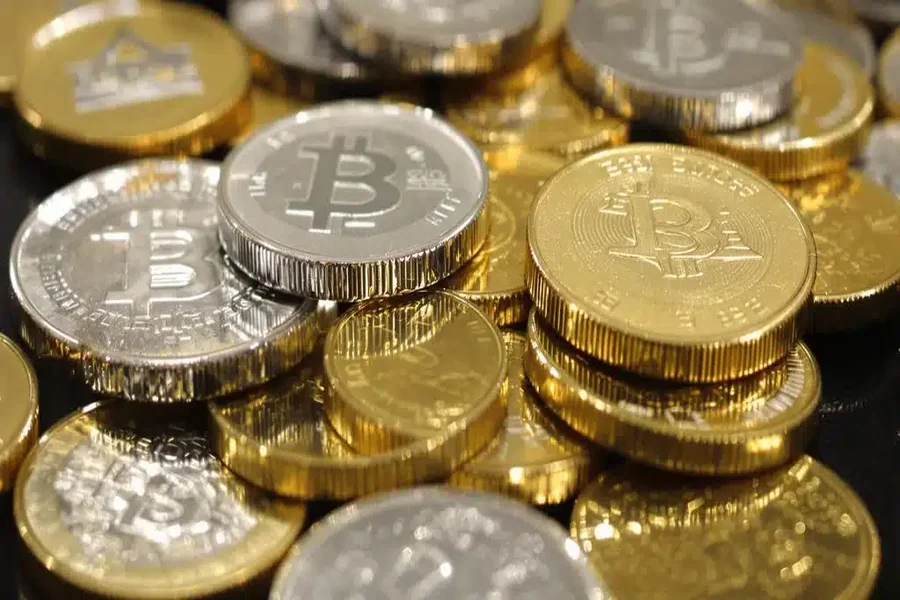
Gold and silver coins can hold value for several different reasons. Some are valuable mainly because of their precious-metal content. Others may have additional collectible value because of rarity, condition, age, mint marks, historical interest, or demand among collectors.
This is why selling coins is not always the same as selling scrap metal. A coin should be evaluated for both its metal value and its potential numismatic value before a seller accepts an offer.
For Tucson residents who have inherited coins, old silver dollars, bullion pieces, proof sets, gold coins, or mixed collections, understanding the basic factors behind coin valuation can make the selling process easier and more transparent.
Coin Value Is Not Always Based on Metal Weight Alone
The first thing many people think about when selling coins is the value of gold or silver. That matters, especially for bullion coins and common silver coins, but it is not the only factor.
A coin’s value may be influenced by:
- Precious-metal content
- Weight
- Purity
- Year
- Mint mark
- Condition
- Rarity
- Collector demand
- Authenticity
- Whether the coin is graded
- Whether the coin is part of a complete set
Two coins with the same metal content may have very different values if one is rare, professionally graded, or in unusually strong condition.
This is why it is useful to separate ordinary bullion value from collector value before deciding where to sell.
Bullion Coins vs. Collectible Coins
Coins generally fall into two broad categories: bullion coins and collectible coins. Some pieces can overlap, but the distinction is important.
Bullion Coins
Bullion coins are usually valued primarily for their precious-metal content. Their price is closely connected to the market value of the gold, silver, platinum, or palladium they contain.
Examples may include modern gold or silver bullion coins, bars, and rounds. These items are often bought and sold based on metal weight, purity, and current market demand.
Collectible Coins
Collectible coins, also called numismatic coins, may be worth more than their metal value. Their price can depend on rarity, age, condition, minting history, collector interest, and authentication.
Examples may include older U.S. coins, rare silver dollars, proof coins, certain foreign coins, error coins, commemoratives, and coins with limited mintage.
A seller should avoid assuming every coin is worth only its melt value. Some coins deserve closer review before being sold strictly as metal.
How Gold and Silver Content Affects Value
Precious-metal content is still one of the most important parts of coin evaluation.
For gold coins, the buyer will consider the purity and actual gold weight. For silver coins, the buyer will evaluate silver content and weight. Some older coins contain a known percentage of silver, while others are made mostly from base metals.
Common factors include:
- Metal type
- Purity
- Gross weight
- Actual precious-metal content
- Current market price
- Whether the item is a coin, bar, round, or mixed piece
A household scale is not always enough to determine value. Coin weight must be interpreted together with metal purity and coin type.
For example, a gold-colored coin may not actually contain gold. A silver-colored coin may contain little or no silver. Testing, identification, and experience are important.
Why Condition Can Change the Offer
Condition matters much more for collectible coins than for bullion.
A bullion coin with surface marks may still retain much of its metal-based value. A collectible coin, however, may lose significant value if it has been scratched, cleaned, damaged, bent, polished, or heavily worn.
Coin condition may involve:
- Surface wear
- Scratches
- Cleaning marks
- Rim damage
- Luster
- Detail sharpness
- Toning
- Corrosion
- Dents
- Eye appeal
One common mistake is cleaning coins before selling them. Cleaning can damage the surface and reduce collectible value. Even if a coin looks dirty or tarnished, it is usually better to leave it as-is until it has been evaluated.
Why Mint Marks and Dates Matter
Some coins look similar but have very different values because of their date or mint mark.
A mint mark identifies where a coin was produced. Certain years and mints had lower production numbers, making some coins more desirable to collectors.
When reviewing a coin collection, a buyer may check:
- The year
- Mint mark
- Series
- Denomination
- Known key dates
- Production numbers
- Historical demand
- Condition within that specific date and mint combination
This is one reason sellers should avoid grouping every coin together as “old silver” or “old gold.” A small detail can affect value.
Graded Coins and Certification
Some coins are professionally graded and sealed in protective holders. These are often called slabbed coins.
A graded coin may be easier to evaluate because the holder usually identifies the coin, grade, and certification number. However, grading does not automatically guarantee that every coin has high value.
The value still depends on the coin itself, the assigned grade, market demand, and whether the grading company is widely recognized.
Sellers should keep graded coins in their holders. Removing a coin from its holder can reduce confidence, create handling damage, or make resale more difficult.
If a collection includes graded coins, original paperwork, receipts, or inventory lists, those materials should be brought to the evaluation.
Foreign Coins Can Still Have Value
Some sellers assume that foreign coins are not worth much unless they are very old. That is not always true.
Foreign coins may contain gold, silver, or other valuable metals. Some may also have collector value depending on age, condition, rarity, and demand.
Examples may include:
- Mexican gold and silver coins
- Canadian silver coins
- British sovereigns
- South African Krugerrands
- Austrian Philharmonics
- Chinese Pandas
- Australian Kangaroos
- Other international bullion or collectible coins
The key is proper identification. A buyer should determine what the coin is, what metal it contains, whether it is authentic, and whether it has collector demand beyond the metal content.
Bullion Bars and Rounds Should Be Evaluated Differently
Coins are not the only items that may belong in a precious-metal collection. Many people also own bullion bars, private mint rounds, or mixed gold and silver pieces.
Bullion bars and rounds are usually evaluated based on:
- Metal type
- Purity
- Weight
- Brand or refinery
- Authenticity
- Condition
- Current metal price
- Marketability
Well-known refinery marks can help establish trust, but testing may still be needed. Counterfeit bullion exists, and a responsible buyer should verify questionable items before making an offer.
Bars, rounds, and bullion coins may be easier to value than rare coins because their value is often closer to metal content. Still, sellers should expect a clear explanation of weight, purity, and pricing.
What Documentation Can Help
Documentation can make the evaluation process easier, especially for larger collections or inherited items.
Useful materials may include:
- Purchase receipts
- Coin inventory lists
- Grading certificates
- Original packaging
- Previous appraisals
- Estate documents
- Notes from the original collector
- Proof-set or mint-set packaging
- Safe-deposit box records
Documentation does not guarantee a specific offer, but it can provide helpful context. It may identify when and where the coin was purchased, whether it has been graded, and whether it belongs to a known set.
Sellers should bring the documents separately and avoid taping notes or labels directly onto coins or holders.
Questions to Ask Before Selling Coins
A transparent buyer should be able to explain how the offer was calculated.
Useful questions include:
- Is the coin being valued for metal content, collector value, or both?
- What metal does the coin contain?
- How was the coin identified?
- Was the weight measured accurately?
- Was the current market price considered?
- Does the coin have numismatic value?
- Does the condition affect the offer?
- Are there any fees or deductions?
- Is the evaluation free?
- Is there any pressure to sell immediately?
A seller should not feel rushed. If the buyer cannot explain the offer clearly, it may be worth getting another opinion.
Why Pawn Shops, Coin Shops, and Precious-Metal Buyers May Differ
Different businesses may evaluate coins in different ways.
A pawn shop may consider resale potential across many item types. A traditional coin shop may focus on collector coins, retail coin sales, or numismatic inventory. A precious-metal buyer may focus more directly on gold, silver, platinum, palladium, coins, bars, jewelry, and related items.
None of these options is automatically right or wrong. The best choice depends on the type of coins being sold.
Someone with rare collectible coins may want a buyer who understands numismatic value. Someone with bullion bars or common gold and silver coins may prefer a buyer who explains metal pricing clearly. Someone with a mixed collection should look for a buyer who can separate bullion value from collector value.
When comparing places to sell coins and bullion in Tucson, sellers should focus on transparency, testing, experience, and whether the buyer can explain the difference between melt value and collectible value.
How to Prepare Coins for Evaluation
Before visiting a buyer, sellers can take a few simple steps.
Do Not Clean the Coins
Cleaning can reduce value, especially for collectible coins. Leave coins in their current condition.
Keep Sets Together
Proof sets, mint sets, and collected series should stay together until they are reviewed.
Bring Documentation
Receipts, grading records, and inventory lists may help.
Separate Obvious Categories
Gold coins, silver coins, foreign coins, bullion bars, and graded coins can be grouped separately for easier review.
Avoid Removing Coins From Holders
Protective holders may preserve condition and help identify the item.
Make a Basic Inventory
For larger collections, a simple list or photos can help track what is being evaluated.
Preparation should make the process clearer without altering the coins themselves.
Red Flags to Watch For
Sellers should be cautious when a buyer:
- Refuses to explain the offer
- Pressures them to sell immediately
- Treats every coin as scrap without looking closely
- Does not separate bullion from collectible coins
- Ignores graded holders or documentation
- Uses unclear weighing methods
- Cannot explain purity, condition, or pricing
- Makes large claims without showing how the value was calculated
The selling process should be understandable. A seller should know what was evaluated and why the offer was made.
Local Selling Considerations in Tucson
Tucson has a wide range of sellers, including people with inherited collections, old U.S. silver coins, Mexican coins, bullion bars, estate items, and jewelry mixed with coins.
A local evaluation can be especially useful when the seller wants to ask questions, see how items are reviewed, and receive an explanation before deciding whether to sell.
Choosing a Tucson coin and bullion buyer can make sense when the collection includes gold, silver, bullion, bars, foreign coins, or mixed precious-metal items that need to be assessed in person.
The most important point is clarity. Sellers should understand whether the offer is based on metal value, collector value, or a combination of both.
Understand the Value Before You Sell
Gold and silver coins can represent family history, collector interest, precious-metal value, or all three. Before selling, owners should take time to understand what they have.
A coin’s value may depend on its metal content, condition, date, mint mark, rarity, grading status, and demand. Bullion may be easier to price, but it still requires accurate identification and testing.
Tucson Gold Buyers evaluates coins, bullion, bars, gold, silver, platinum, jewelry, and other precious-metal items. For sellers with a mixed collection, a professional review can help determine which items are best valued for metal content and which may deserve additional collector consideration.
By preparing coins properly, asking clear questions, and choosing a buyer who explains the process, sellers can make a more informed decision before accepting an offer.
Table of Contents