
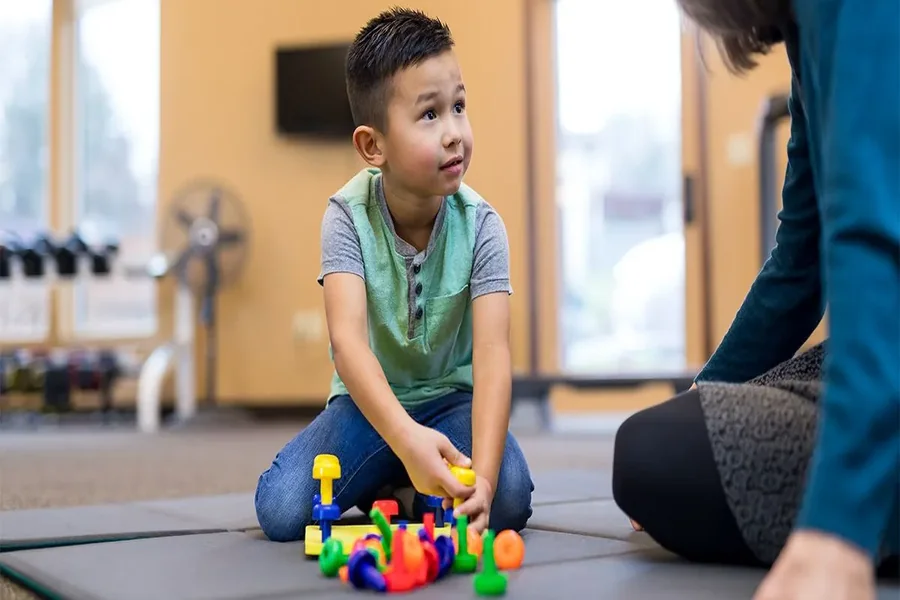
Play is viewed as a childhood activity, a means for children to explore, create, and expend energy. Adults, however, frequently dismiss playful activities as frivolous or unnecessary, focusing instead on responsibilities and routine. Yet, emerging research reveals that playful experiences offer profound psychological benefits for adults, positively impacting their emotional, social, and cognitive well-being.
One approach gaining recognition in adult mental health is play therapy, which allows individuals to process emotions and stimulate creativity through structured playful methods. This method encourages self-expression in a safe environment, helping adults uncover insights and resolve internal conflicts that traditional therapy might overlook. The following discussion examines how such techniques can enhance emotional resilience, foster stronger interpersonal relationships, and promote mental clarity in adults.
Emotional Release Through Play
Play fosters a safe environment for expressing emotions that are suppressed in adulthood. Activities such as role-playing, art creation, or imaginative games allow participants to externalize feelings like anger, grief, or anxiety. Experiencing these emotions in a controlled setting helps reduce tension and promotes emotional balance.
The process allows unconscious thoughts to surface, giving clarity to internal conflicts that can feel overwhelming. Adults who engage in activities report a lighter mood and an improved outlook after sessions, reflecting the therapeutic power of imagination. Moreover, repeated exposure to playful scenarios fosters coping mechanisms that strengthen long-term emotional stability.
Enhance Social Connection
Interactions during playful exercises can improve communication skills and deepen bonds between participants. Shared activities provide opportunities to negotiate, cooperate, and demonstrate empathy in ways that mirror real-life interactions. The relaxed, non-judgmental atmosphere fosters openness, allowing for meaningful conversations that might otherwise be difficult.
Adults discover strengths in teamwork, patience, and perspective-taking through various tasks. These experiences can lead to improved professional collaboration and more effective personal relationship management. Notably, social engagement through exercises helps alleviate feelings of isolation and fosters a sense of belonging.
Cognitive Stimulation and Creativity
Engaging in playful activities activates brain regions associated with problem-solving, imagination, and decision-making. Adults participating in structured games or creative exercises report increased mental flexibility and innovative thinking. Tasks requiring strategy, pattern recognition, or storytelling stimulate memory recall and enhance focus.
Incorporating such exploration into daily routines can lead to more effective solutions in professional and personal contexts. Mental stimulation through it encourages curiosity, which can diminish with age due to a lack of exercise and stress. Ultimately, these cognitive benefits contribute to psychological resilience and improved mental agility.
Stress Reduction and Relaxation
Play introduces moments of lightness that counterbalance daily pressures and stressors. Activities such as movement-based games, creative projects, or laughter exercises can help reduce physiological responses associated with chronic tension. Engaging in activities triggers the release of endorphins, which enhances mood and fosters a natural sense of well-being.
Adults benefit from temporary detachment from problem-focused thinking, creating mental space for reflection and recovery. Regular sessions also enhance sleep patterns, improve energy levels, and promote emotional regulation. The ability to relax through a structured task can be particularly valuable for those managing anxiety or burnout symptoms.
Personal Growth and Self-Discovery
Exploring playful techniques encourages self-reflection and a deeper understanding of personal preferences, fears, and strengths. Individuals uncover hidden talents, interests, or insights that expand their self-awareness. Activities that promote experimentation without judgment foster confidence in decision-making and risk-taking.
It also provides a metaphorical framework for exploring life challenges safely, allowing new perspectives to emerge naturally. Through repeated engagement, adults can build resilience, adaptability, and a stronger sense of identity. Ultimately, playful practices contribute to holistic growth, combining emotional, social, and cognitive development into meaningful transformation.
Play in adulthood serves as a potent tool for emotional release, social connection, mental stimulation, and personal growth. Structured, playful experiences, such as play therapy, enable adults to explore their emotions, reduce stress, and enhance self-awareness, while fostering resilience. Incorporating playful strategies into daily life can provide long-lasting benefits for mental health.
Table of Contents