
Home value conversations usually start with kitchens, bathrooms, and square footage. Walls rarely make the list. Yet in many homes, walls are the first thing buyers emotionally react to—often before they consciously realize it.
That’s where wallpapering enters the discussion. Not as decoration for decoration’s sake, but as a design decision that can either elevate a space or quietly work against it. Done well, it signals care, intention, and quality. Done poorly, it does the opposite.
This article looks at what designers and real estate professionals actually see in the market, and whether wallpaper can influence perceived home value in a meaningful way.
Can Wallpaper Increase Home Value? Designers and Realtors Weigh In
Why Homeowners Are Asking This Question Now
Buyers today scroll through dozens of listings before ever stepping inside a home. They arrive with expectations already formed. That means visual impact matters earlier—and more intensely—than it did a decade ago.
Wallpaper has returned not as a trend, but as a tool. Homeowners are using it to differentiate their space without taking on full renovations, especially in competitive markets where standing out matters.
How First Impressions Influence Home Value
What Buyers Notice in the First 30 Seconds
Entryways, light quality, and wall finishes shape the first emotional response. Buyers may not articulate it, but they feel it immediately.
Walls that feel finished and intentional suggest a well-maintained home. Walls that feel temporary or tired do the opposite, even if the underlying structure is sound.
Emotional Response vs Logical Evaluation
Logic comes later. Square footage and price per foot matter, but only after a buyer feels comfortable imagining themselves in the space.
Wallpaper can create that emotional bridge. It helps a room feel complete rather than neutral in a forgettable way.
What Designers Say About Wallpaper and Value
Designers tend to agree on one thing: wallpaper itself doesn’t add value. The way it’s chosen and executed does.
Subtle textures, calm patterns, and finishes that work with the architecture of the home tend to age well. Designers often steer homeowners away from loud, highly personalized prints when resale is a consideration.
When wallpaper supports the room instead of dominating it, it enhances perceived quality without narrowing the buyer pool.
Realtors’ Perspective — Does Wallpaper Help or Hurt a Sale?
When Wallpaper Becomes a Selling Point
Realtors see wallpaper work best when it feels intentional but flexible. A textured wall in a dining room or a refined accent in a powder room can become a memorable feature.
In these cases, wallpaper reads as an upgrade, not a future project.
When Wallpaper Turns Buyers Away
The Risk of Over-Personalization
Problems arise when wallpaper locks a buyer into someone else’s taste. Bold themes, highly specific motifs, or dated color schemes can feel like obstacles instead of assets.
Realtors often say the same thing: if buyers start mentally planning removal during a showing, value perception drops.
Wallpaper vs Paint in Terms of Resale
Paint is widely accepted because it’s easy to change. That simplicity works in its favor during resale.
Wallpaper requires more commitment, but it also delivers more character. When chosen carefully, it can make paint feel unfinished by comparison. The key difference is confidence—buyers trust paint by default, but they trust wallpaper only when it looks deliberate and professionally done.
Rooms Where Wallpaper Adds the Most Value
High-Impact, Low-Risk Spaces
Some rooms carry less risk and more reward. Small, defined spaces allow wallpaper to shine without overwhelming the home.
Designers and agents consistently point to a few areas where wallpaper tends to perform best:
- Powder rooms where bold design feels contained and intentional
- Dining rooms that benefit from warmth and texture
- Home offices where character adds perceived quality
In these rooms, wallpaper often reads as a premium finish rather than a personal indulgence. It elevates the space without dictating how the entire home must feel.
Rooms That Require Extra Caution
Bedrooms and Large Living Areas
Primary bedrooms and expansive living rooms are more subjective. Buyers want flexibility here.
Wallpaper can still work, but restraint matters. Softer patterns and neutral palettes tend to preserve broad appeal while still adding depth.
Style Matters — Which Wallpaper Choices Feel “Value-Positive”
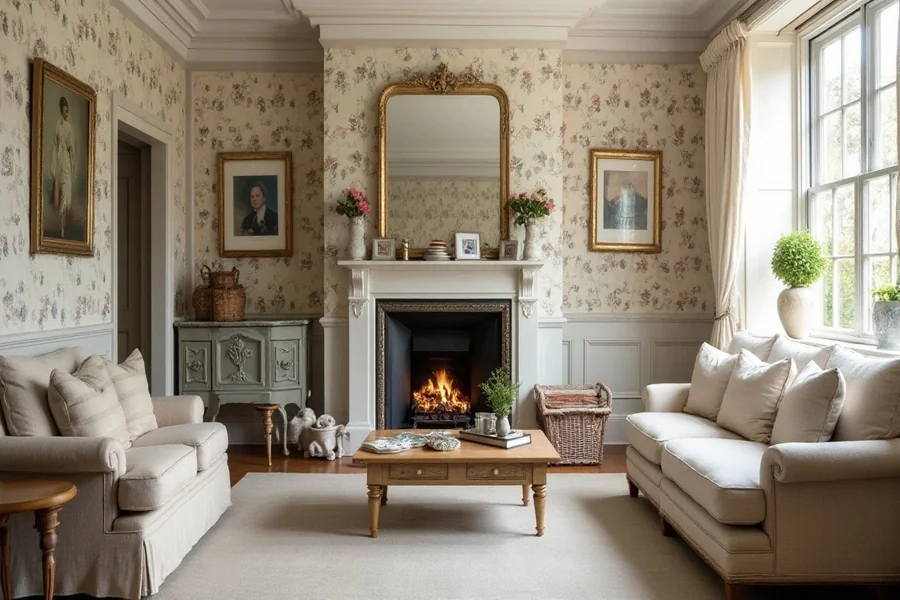
Value-positive wallpaper tends to share a few qualities. It feels timeless rather than trendy. It relies on texture or scale instead of novelty. And it complements the home’s architecture rather than competing with it.
Designers often recommend wallpapers that feel almost like a material choice—linen, grasscloth, subtle geometrics—because they read as finish, not decoration.
Installation Quality and Its Impact on Perceived Value
Why Poor Installation Cancels Out Design Benefits
Even the best wallpaper loses credibility when seams are visible or corners lift. Buyers may not know why something feels off, but they sense it immediately.
This is where homeowners often underestimate the role of skill. A rushed job can undo an otherwise smart design choice.
Professional Finish as a Signal of Quality
What Buyers Subconsciously Read From the Walls
Clean lines and smooth surfaces communicate care. They suggest that other aspects of the home were handled with the same attention.
That’s why many sellers rely on a professional wallpaper installer or a trusted contractor rather than taking chances. A clean installation signals quality without saying a word.
So, Does Wallpaper Actually Increase Home Value?
Wallpaper doesn’t automatically raise appraisals. It doesn’t change square footage or location. But it does influence perception, and perception drives behavior.
When wallpaper is thoughtfully chosen, placed in the right rooms, and executed through careful wallpaper installation, it can make a home feel more complete and better maintained. That can translate into stronger interest, faster offers, and fewer objections.
The takeaway is simple. Wallpaper isn’t about adding value everywhere. It’s about adding the right kind of value, in the right places, for the right buyer.
Table of Contents